
Weight Management
Weight Is the Same, But Waist Is Increasing: What Does It Mean?
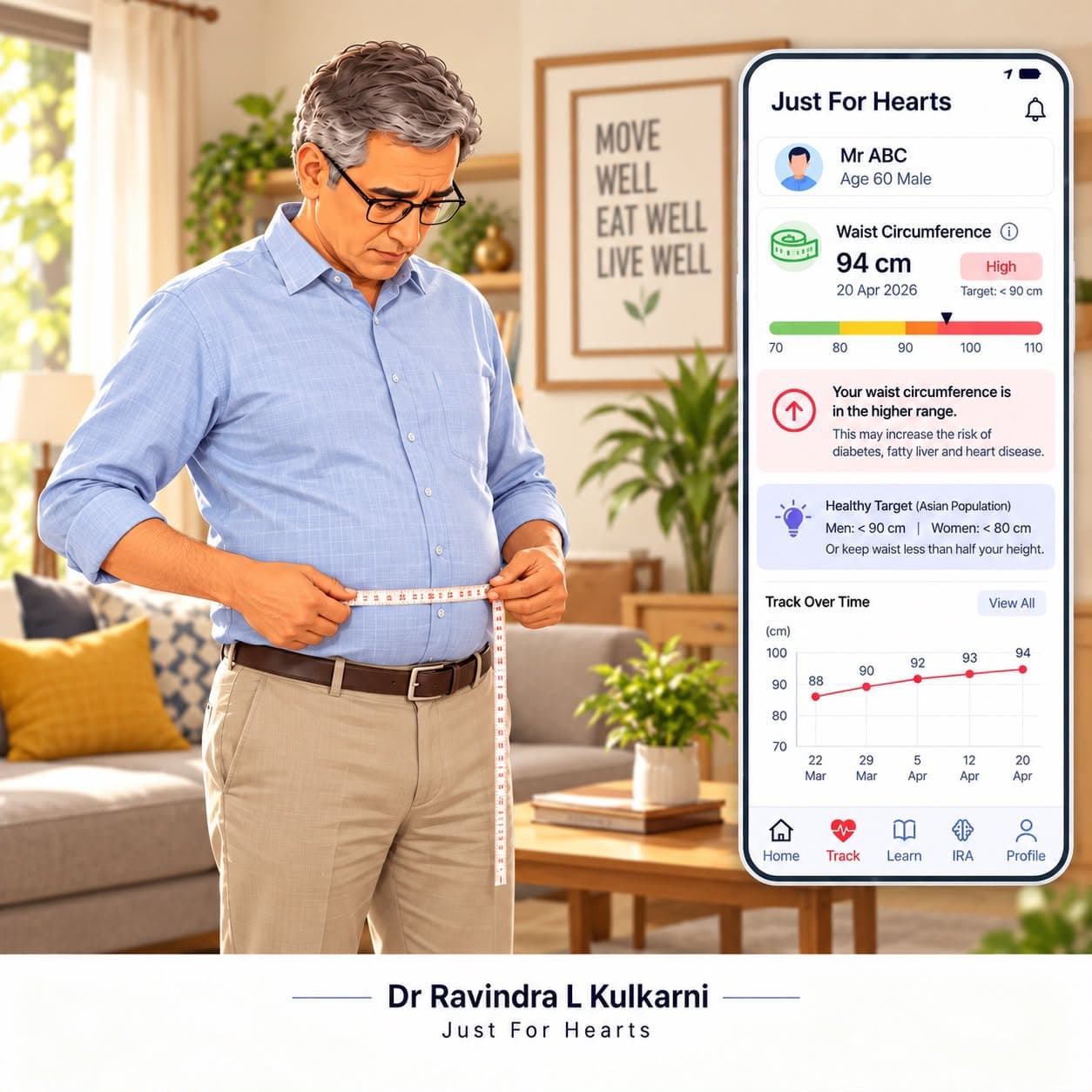
Weight is the same, but the waist circumference is increasing! Is this change more important?
"Doctor, my weight has been 72 kg for the last six months. But my pants are getting tight around the waist. My weight hasn't increased, so why is my waist growing?"
This question is important.
Because having a stable weight does not mean that your body composition and metabolic health are also stable!
Weight scale tells us the total weight, but it does not tell how much fat and muscle you have.
1. Weight is the same, so why does the waist increase?
Two changes can happen simultaneously in the body:
- Muscle mass decreases, especially with age, less activity, or lack of strength training.
- Fat around the abdomen increases, especially abdominal fat.
Therefore, weight may not change much, but waist can increase.
This is called a change in body composition.
Even if the weight scale is stable, changes inside the body can be ongoing!
2. Why is waist increase more important?
There are two main types of fat in the abdomen:
- Subcutaneous fat: fat under the skin.
- Visceral fat: fat around the internal organs in the abdomen.
Visceral fat is particularly associated with insulin resistance, fatty liver, diabetes, and cardiovascular risk.
So measuring waist along with weight or BMI provides additional information about metabolic risk.
But an increased waist does not always mean visceral fat has definitely increased.
3. What should be the waist size for Indians?
Common abdominal obesity risk cutoffs used for Indian and South Asian individuals:
- Men: 90 cm or more - Women: 80 cm or more
Additionally, a simple rule:
Waist should ideally be less than half of your height.
For example, if height is 160 cm, waist should be less than 80 cm as a useful general goal.
These are risk indicators, not diagnostic criteria.
4. Does every increase in waist mean fat has increased?
No!
Bloating, constipation, post-meal changes, or differences in measurement technique can also change waist size.
But if waist is steadily increasing over months, especially while weight is stable, it needs attention.
In such cases, checking muscle strength, activity, blood pressure, HbA1c, lipids, and fatty liver risk together is more useful.
5. Try this simple experiment for the next 4 weeks!
This time, measure not only weight but also waist.
- Weight: once a week, in the morning under similar conditions.
- Waist: once a week, in the morning. Place the tape measure straight between the last rib and hip bone. Measure after normal exhalation without pulling the stomach in.
- Record weight and steps/exercise in the Just For Hearts app. Also record waist measurements with dates.
Already have the app? Great! Enter today's data. No premium needed to start.
Along with this, maintain regular walking and at least two days a week of muscle strengthening.
After 4 weeks, ask yourself:
- Is waist increasing even though weight is stable?
- Is walking regular but strength training low?
- Are there any changes in sugar, blood pressure, or lipids along with waist?
Do not draw conclusions from one or two centimeters difference. Consistent change is important.
If waist is increasing despite stable weight and you want to understand the need for body composition assessment or need help tracking, ask with your records.
Remember:
Weight tells how much. Waist tells where.
Losing weight should not be the only goal.
Controlling waist, maintaining muscle, and improving metabolic health are equally important.
Observe the pattern. Change the course.
Important: If waist suddenly increases, or if there is swelling, abdominal pain, or breathlessness, consult a doctor. Not every increased waist means fat.
Dr. Ravindra L Kulkarni MD, DNB FSCAI Cardiology Senior Consultant Physician & Cardiologist Just For Hearts